

🌿 Sustainable Graphic Design: Eco-Friendly Practices Every Designer Should Adopt
As the design industry evolves, sustainability has become a cornerstone of responsible creativity. Graphic designers play a pivotal role in shaping environmentally conscious visual communications. By integrating eco-friendly practices, designers can minimize their ecological footprint while delivering impactful designs.
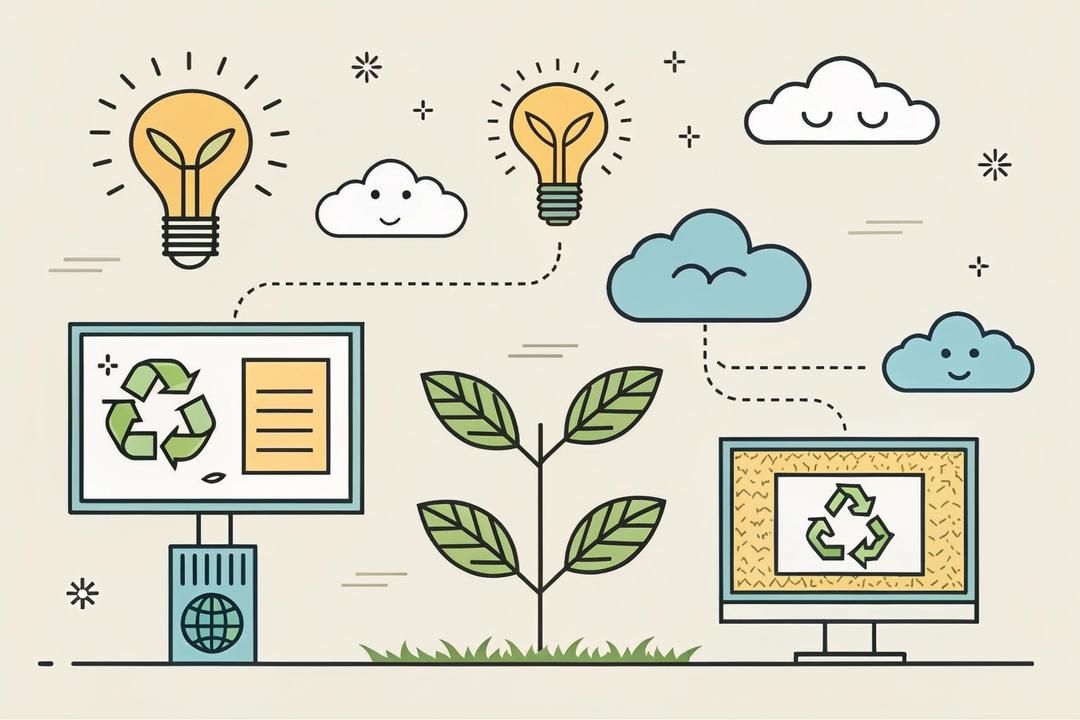
1. Embrace Digital-First Design
Prioritize digital mediums over print to reduce paper consumption and waste. Utilize online platforms, e-books, and digital publications to disseminate content effectively. This approach not only conserves resources but also offers broader reach and real-time updates.
2. Optimize Energy Efficiency
Implement energy-saving practices in your workspace. Turn off equipment when not in use, leverage natural lighting, and utilize energy-efficient devices. Cloud-based collaboration tools can also reduce the need for physical storage and transportation.
3. Select Sustainable Materials
When print is necessary, choose eco-friendly materials. Opt for recycled paper, soy-based inks, and waterless printing technologies. These choices significantly lower the environmental impact compared to traditional printing methods.
4. Design for Longevity and Reusability
Create timeless designs that remain relevant over time, reducing the need for frequent updates. Develop reusable templates and modular components that can be adapted for various projects, promoting efficiency and waste reduction.
5. Incorporate Minimalist Aesthetics
Adopt minimalist design principles to convey messages clearly and efficiently. Simplified layouts and limited color palettes not only enhance visual appeal but also reduce ink usage and energy consumption during production.
6. Educate and Advocate
Use your designs as platforms for sustainability education. Incorporate eco-friendly messages and collaborate with organizations to promote environmental awareness. By doing so, designers can inspire positive change within the industry and beyond.
7. Stay Informed and Adapt
The field of sustainable design is continually evolving. Stay updated on the latest trends, materials, and technologies by participating in forums, attending conferences, and subscribing to relevant publications. Continuous learning enables designers to implement innovative, eco-friendly solutions.
🌍 Conclusion
Sustainable graphic design is a commitment to environmental responsibility without compromising creativity. By adopting eco-friendly practices—from digital-first approaches to mindful material selection—designers can contribute to a more sustainable future. Embracing these practices not only benefits the planet but also enhances the value and impact of your work.