

Influencer marketing is a $33 billion industry in 2025—up 35% year-over-year—and it’s only getting more competitive. If you can’t quickly zero in on the right partners and move from handshake to campaign in days, you’re already behind.
1. Precision Identification: Where to Look and What to Measure
Audience Fit > Follower Count
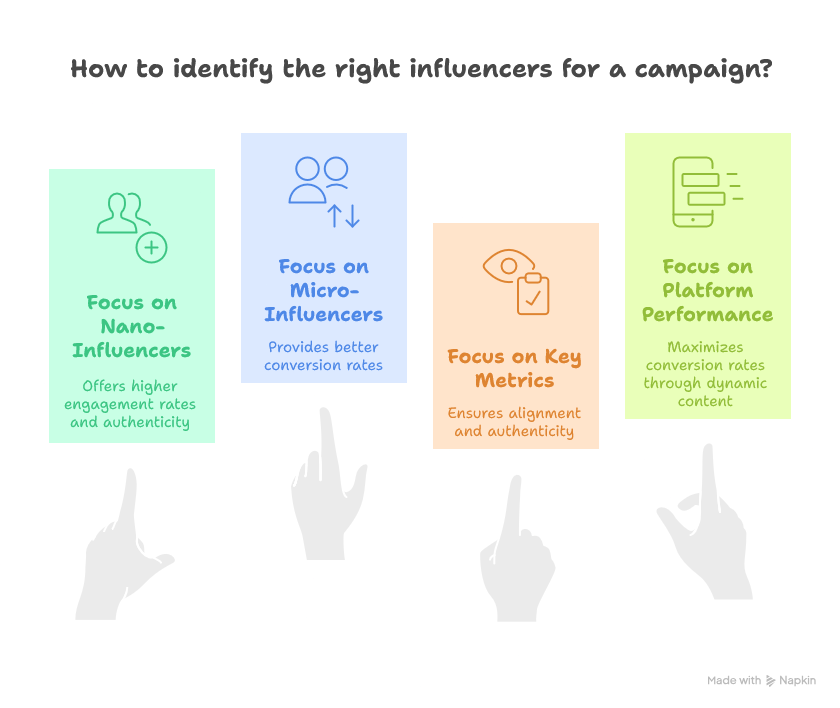
- Nano-influencers (1K–10K followers) make up 76% of all influencers and often deliver 3–4× higher engagement than megastars.
- Micro-influencers (10K–100K) convert at 7%–10% click-through rates, vs. 1%–3% for macro-influencers.
Key Metrics to Screen
- Engagement Rate (likes+comments ÷ followers) – target ≥ 3%
- Audience Authenticity – use tools to verify at least 85% real followers
- Content Alignment – track past posts for brand-adjacent topics and tone
- Platform Performance – TikTok and Instagram Reels drive 2× the conversions of static posts
Use discovery platforms (e.g., CreatorIQ, Aspire) to filter by niche, geography, and real-time performance.
2. Rapid Vetting: Data-Driven Due Diligence
Step 1: Deep Dive Analytics
- Run a 30-day engagement audit. Drop any candidate with engagement swings > ±30% (signals bot spikes).
- Map follower demographics: ensure ≥ 60% fall into your target age, gender, or location.
Step 2: Content Quality Check
- Review the last 10 posts for brand safety flags (political, controversial topics).
- Assess production value vs. authenticity—raw, unfiltered videos often drive 15% higher trust.
Step 3: Credibility Signals
- Look for repeat brand partnerships (indicates reliability).
- Check comments: ≥ 20% genuine replies (not just emoji showers).
3. Speedy Outreach: From DM to Deal in 48 Hours
Template Blueprint
- Open with Insight: “I saw your post on [topic]—your take on [trend] stood out.”
- Value Proposition: “We’ve driven 4% CTR with creators in your niche.”
- Next Steps: “Can we set a 15-minute call tomorrow to explore a collaboration?”
Best Practices
- DM + Email combo boosts response rates by 25%.
- Offer clear deliverables: “3 Reels + 2 Feed posts over 30 days.”
- Share a high-level budget range up front to avoid time wasted.
4. Collaborative Campaigns: Structuring for Success
Goal Alignment
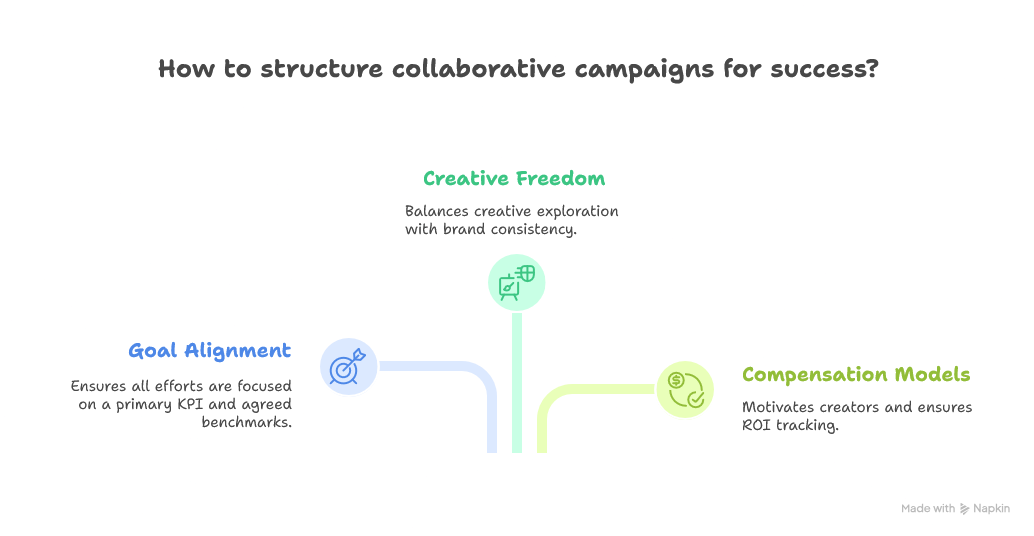
- Define one primary KPI (e.g., landing-page visits, promo-code redemptions) and tie all content to that metric.
- Agree on benchmarks: “Expect 4% engagement, 2% direct conversions.”
Creative Freedom + Brand Guardrails
- Provide a brief with must-have messages and one “brand no-go”
- Allow angle testing: A/B two hooks or CTAs across similar audiences.
Compensation Models
- Flat fee + performance bonus (e.g., $500 + $1 per conversion) drives creator investment.
- Affiliate links or promo codes ensure clean tracking and real ROI.
5. Real-Time Optimization: Iterate Like a Growth Hacker
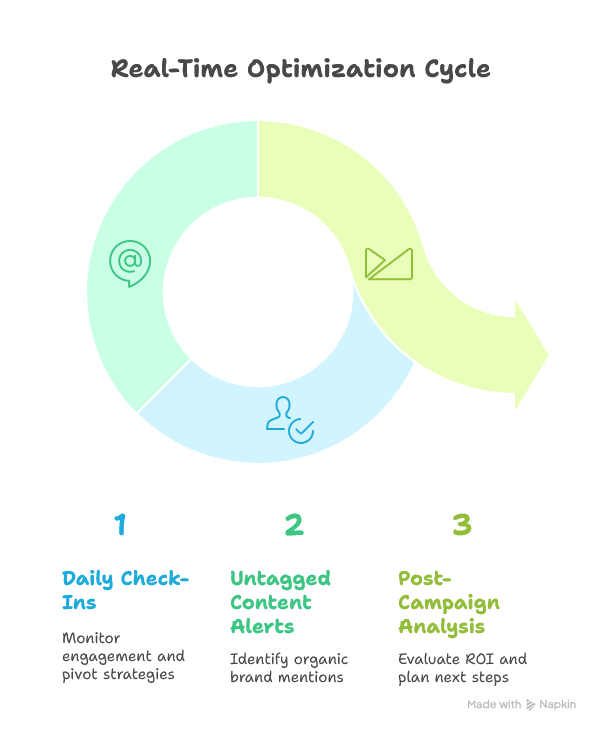
- Daily Check-Ins: Monitor reach and engagement; pivot briefs if a post underperforms by > 20%.
- Untagged Content Alerts: Use brand-mention trackers to catch organic shout-outs.
- Post-Campaign Analysis: Report on spend vs. ROI, content learnings, and next-step recommendations within 48 hours of wrap.
Facts:
- 54% of brands plan to increase influencer budgets in 2025—competition is intensifying.
- 61% of marketers rank influencer ROI as “excellent” or “very good.”
- Every day you stall, you’re missing out on up to 4× higher engagement vs. paid ads.
Your Move: Audit your next campaign against this checklist. If you’re still hunting influencers by gut feel, you’re leaving millions on the table. Lock down the data, streamline the process, and turn influencer marketing into a predictable growth lever—starting today.