

Stop Marketing to Everyone—Start Converting the Right Ones.
You’re throwing money at ads. Traffic’s up. But conversions? Barely moving.
Here’s the harsh truth: people don’t want generic—they want relevant.
Your audience is evolving. They expect your message to “just get them” without explaining who they are.
That’s where hyper-personalization steps in, armed with AI and fueled by real-time behavioral data.
This isn’t guesswork. It’s predictive, adaptive, and laser-targeted.
You either adapt—or get tuned out.
Why You're Already Behind If You Aren’t Hyper-Personalizing
Amazon, Netflix, Spotify—why do people keep coming back?
Because those brands serve you, not the masses.
Their secret? AI + behavioral data = personalization that feels magical.
Meanwhile, most brands still serve the same homepage to everyone.
If your funnel isn’t reacting to your user’s behavior in real time, you’re leaving serious money on the table.
Let’s Break It Down:
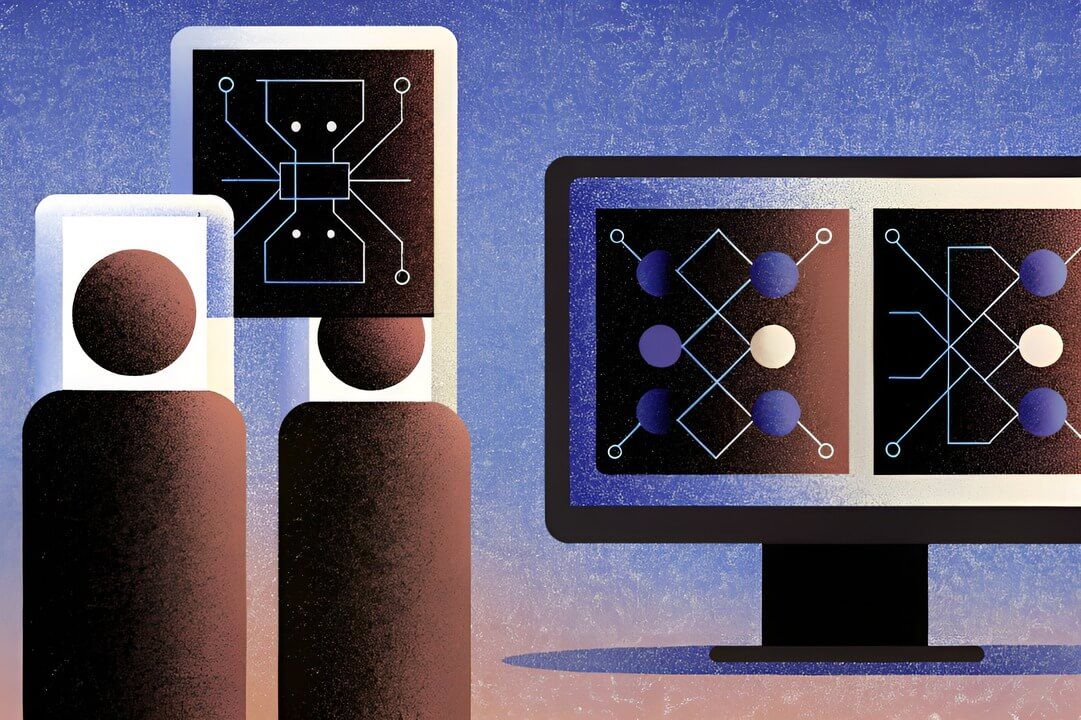
🔍 What is Hyper-Personalization, Really?
Forget “Hi [First Name]” – that’s personalization 1.0.
Hyper-personalization uses AI, machine learning, and real-time data to deliver content, offers, and messaging tailored to each individual user.
It’s behavior-based. It’s predictive. It learns fast. And it converts better.
🎯 Core Components:
- Behavioral Data – Browsing patterns, session duration, clickstreams, cart abandonment, search intent.
- AI & Machine Learning – Algorithms that process this data and anticipate what each user wants, before they do.
- Dynamic Content – Automated web pages, product recommendations, emails, and ad creatives that morph based on who’s watching.
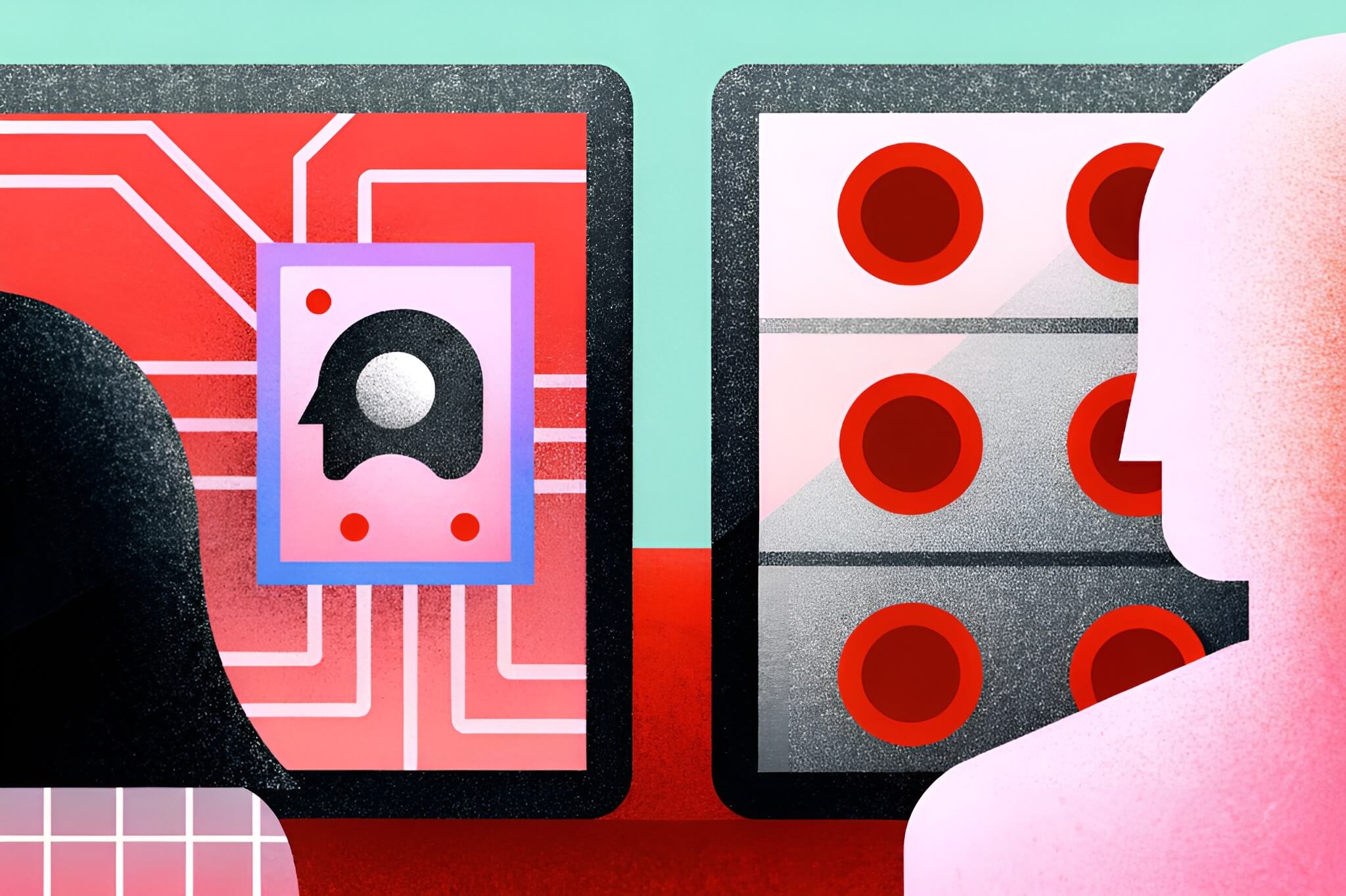
🧠 How AI Powers the Hyper-Personalized Experience
AI doesn't sleep. It observes, learns, and iterates faster than your marketing team ever could.
✅ Key Use Cases:
- Predictive Recommendations: Know what product a user wants before they even click.
- Real-Time Content Adaptation: Shift website visuals, CTAs, and layout based on user persona and behavior.
- Email Campaigns That React: Trigger flows based on live user behavior—scroll depth, exit intent, purchase likelihood.
- Chatbots That Don’t Suck: Conversational AI that remembers preferences and solves problems instead of just rerouting you.
This isn’t overkill—it’s what your audience already expects.
📈 Why It Works: The Data Doesn’t Lie
- 80% of consumers are more likely to purchase from a brand that provides personalized experiences.
- Hyper-personalized CTAs perform over 200% better than standard ones.
- Brands using AI personalization report 20-30% higher conversion rates.
Bottom line? It’s not about more content. It’s about more relevant content.
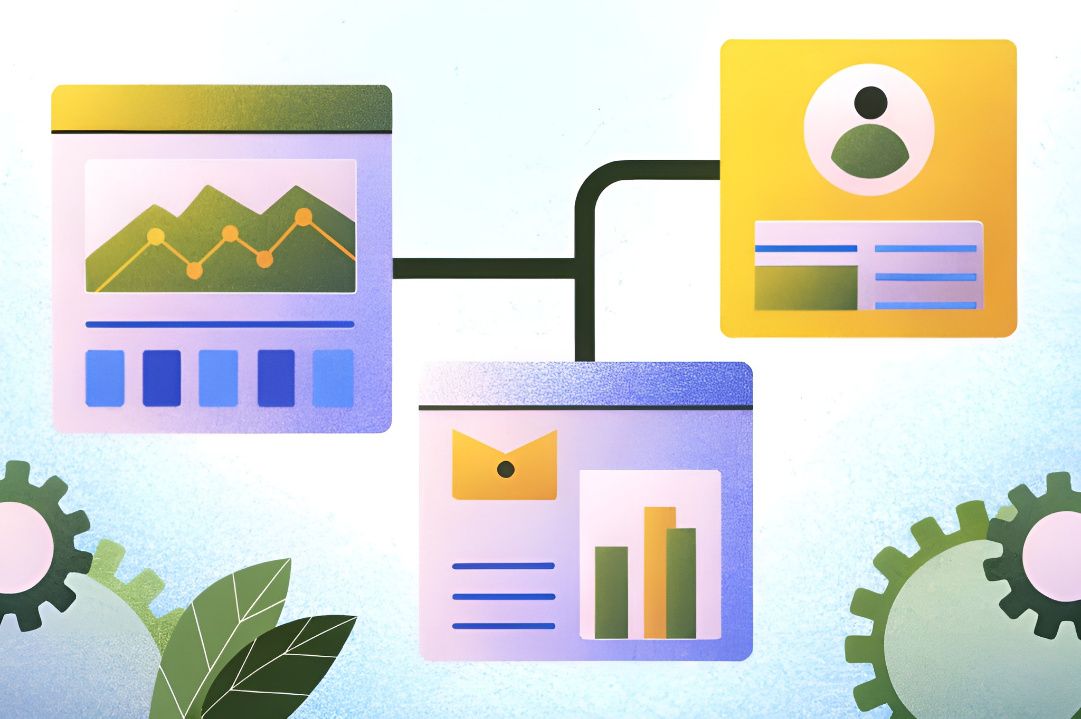
🛠️ How to Start Implementing Hyper-Personalization Today
Don’t wait for a perfect AI setup. Start with what you’ve got.
- Map the User Journey – Know your key touchpoints. Where are you losing attention?
- Segment by Behavior, Not Demographics – Look at what users do, not just who they are.
- Choose Tools That Integrate AI – Look into platforms like Segment, Dynamic Yield, or Insider.
- Feed the Data Engine – Connect your CRM, email tools, web analytics, and sales platforms.
- Test, Learn, Optimize – AI improves over time—but only with good feedback loops.
This Is Not Optional Anymore
The brands winning in 2025 are the ones that saw this coming in 2020.
The rest? Trying to retrofit relevance onto a broken funnel.
Your customers are telling you what they want—not in words, but in behavior.
With AI, you can finally listen at scale and respond instantly.
🚀 The future of digital marketing isn’t louder. It’s smarter.
🔄 Your Turn:
What’s your current personalization score? Are you sending the same message to everyone, or are you building dynamic, self-learning experiences?
If you’re not evolving, you’re eroding. Let’s fix that.
What’s your biggest personalization challenge? Share this blog on your socials and tag us—we want to hear your thoughts.